
Citizen’s Group: Strengthen Protections for Louisville Open Space
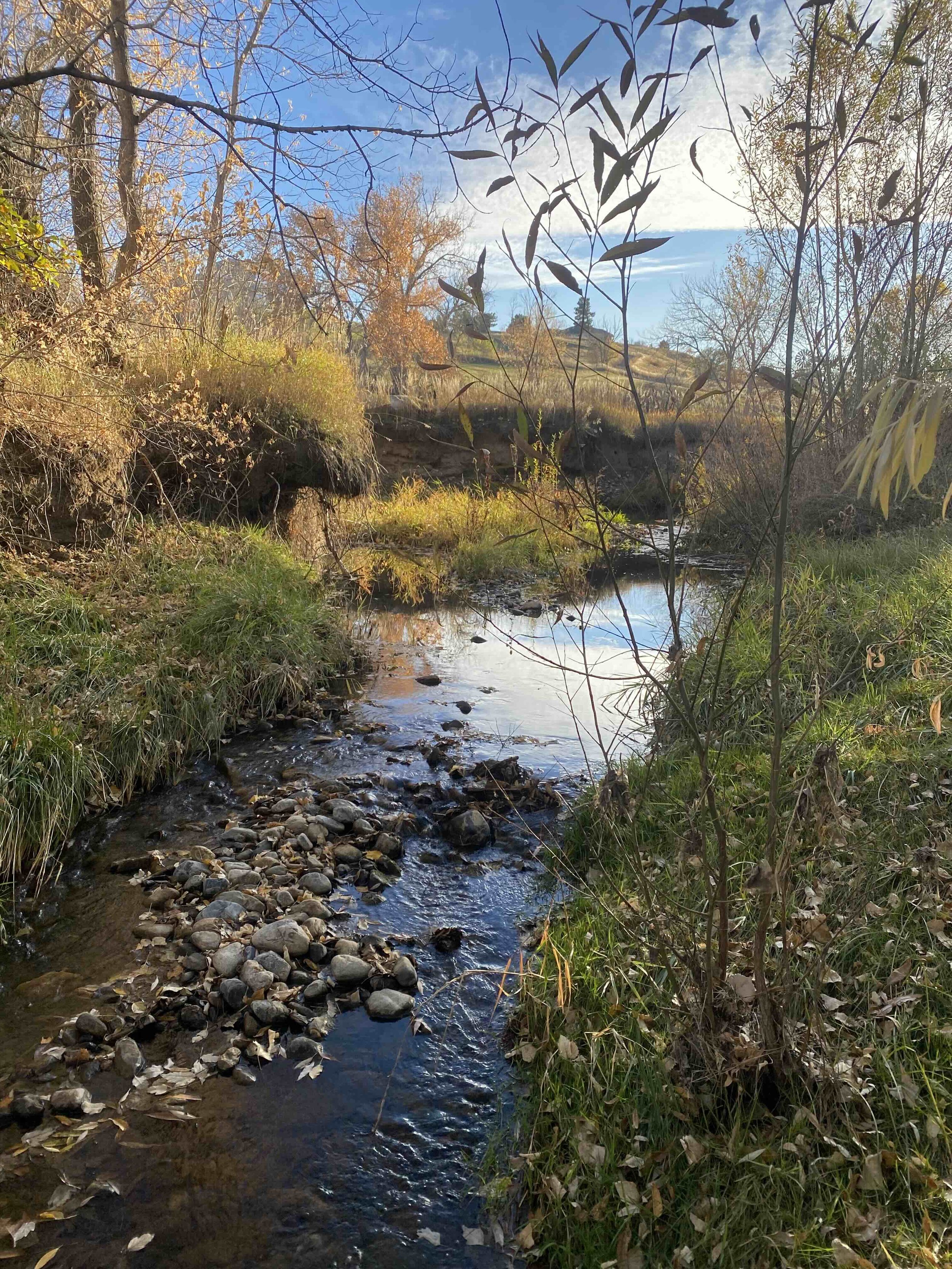
Coal Creek in the CTC Open Space, Louisville.
Dear Mayor Leh, Councilmembers, Staff and Members of the Community,
On behalf of Louisville Open Space Advocates (LOSA), we appreciate the thoughtful and diligent work that staff, consultants, and our advisory boards have invested in the PROST Plan. Because the goals operate at the policy level, they set the long‑term framework for how Louisville will steward its open spaces and trails, and Council plays a central role in ensuring they align with the City Charter and established environmental stewardship best practices. As you consider refinements, we offer the following alignment so the plan reflects both the Charter and the land‑management standards used by leading regional and national public agencies.
1. Open Space Section: Strengthen Goal 1 to Match the Charter
Current Goal 1:
“Prioritize open space natural resource management to support stewardship, resource protection, and sustainable practices.”
Recommended Revision:
“Preserve and promote native plants, native wildlife, and their habitats to support good stewardship, ecological protection, and sustainable practices.”
This revision directly reflects the Charter and aligns Louisville’s open space management with national best practices that place habitat protection at the center of land‑use decisions.
2. Trail System Section: Strengthen and Elevate Goal 4 to Become Goal 1
Current Trail Goal 4:
“Protect natural resources by thoughtful, data‑informed trail planning and management.”
While directionally correct, this goal must be strengthened and elevated. Nationally recognized standards consistently require that trail siting, design, and maintenance start with ecological protection, not come after it, and the Charter reflects this same principle.
Recommended Revision and Reordering:
Goal 1: Protect and restore natural resources through ecologically grounded, data‑informed trail planning and management.
This creates alignment between the Open Space and Trail sections and ensures the Trail System Plan is built on the same ecological foundation required by the Charter and best practices.
3. Trail System Section: Add a Strategy to Protect Water‑Dependent Habitats
Louisville’s riparian corridors, wetlands, ponds, lakes, and streams are among the City’s most sensitive and climate‑vulnerable ecosystems. In our dry climate, 90% of wildlife depend on riparian areas for their survival. To ensure the PROST Plan fully reflects the Charter’s mandate to protect native habitats, we recommend adding a dedicated strategy in the Trail Plan focused on sustaining these water‑dependent systems.
Key elements/Action Items could include:
No new trails in riparian areas; close and restore all undesignated trails within the 120‑foot protection buffer
Securing or purchasing water to maintain stream flow, pond and lake levels, and wetland hydrology
Monitoring water levels, water quality, and ecological function
Prioritizing restoration of riparian and wetland systems
Coordinating with regional water partners to support ecological flows
Incorporating this strategy would align the Trail System Plan with national land‑management standards and with the trail‑siting and design principles used by the U.S. Forest Service, National Park Service, and Colorado Parks and Wildlife, all of which treat water‑dependent habitats as foundational ecological resources requiring proactive protection.
Why Reordering Matters
Reordering ecological protection as Goal 1 in both sections ensures the PROST Plan follows the Charter and mirrors national best practices. In these standards, natural systems come first, and trails are planned within those limits. This shared foundation shapes every subsequent goal, including connectivity, user experience, safety, maintenance, and funding. It also ensures that Louisville’s trail system enhances the ecological health of our open spaces so that trails connect people with the native flora and fauna of our landscapes, with each other, and with a thriving community.
As Council considers next steps, we encourage you to support staff and OSAB in applying their combined scientific, technical, and ecological expertise to the strategies and action items that will bring this framework to life. Their joint knowledge is essential to implementing an open space and trail system that honors the Charter, reflects best practices, and strengthens the connection between people, nature, and community.